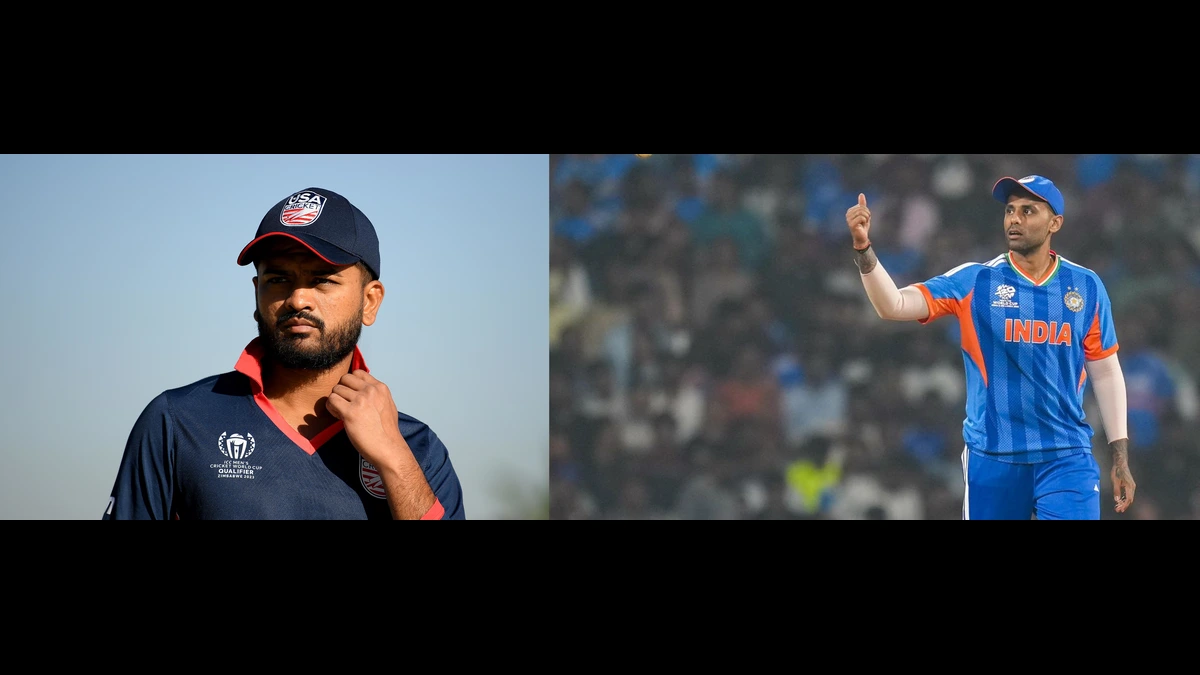
The Pivotal Moment: Understanding the T20 World Cup Toss
In the exhilarating world of T20 cricket, where fortunes can swing in a single over, the
t20 world cup toss stands as one of the most critical pre-match rituals. Far from a mere coin flip, it's a profound strategic decision, often setting the tone for the entire game. Captains, armed with detailed pitch reports, meteorological forecasts, and intricate knowledge of their team's strengths, deliberate intensely before making the crucial call to bat or bowl first. This initial choice can significantly influence match outcomes, making it a captivating subject for both analysts and fans.
The decision at the toss is a complex interplay of science and intuition. It requires a deep understanding of how a specific pitch will behave under varying conditions, how dew might affect the ball, and which strategy best suits the team's composition and the opponent's weaknesses. In a tournament as high-stakes as the T20 World Cup, a well-informed toss decision can be the difference between advancing to the next stage and an early exit.
Decoding the Pitch: A Captain's Ultimate Challenge
At the heart of every
t20 world cup toss decision lies the pitch report. This pre-match assessment provides vital clues about the surface, guiding captains in their choice. However, as experience often shows, even the most meticulous pitch analysis can sometimes surprise.
Consider the encounter between New Zealand and Sri Lanka in a previous T20 World Cup. Sri Lanka, having won the toss in Colombo, elected to field first. New Zealand captain Mitch Santner observed, "It looked like a pretty wicket at the toss. We have watched a few games here and it has kind of been a case of the more you bowl, the more it spins. Also, on the seam was quite nice and effective." His comments highlighted a subtle but significant characteristic of the pitch: while initially appearing benign, it would likely evolve to favour spinners and offer assistance to seamers over time. Sri Lankan captain Dasun Shanaka's later reflection—that the decision to bowl was collective, but they "didn't expect the pitch to turn that much"—underscores the unpredictable nature of cricket wickets. Despite collective wisdom, the actual in-game behaviour of the pitch can deviate from initial expectations, leading to misjudgments that impact strategy.
Another fascinating example unfolded in a do-or-die Super 8 clash of the ICC Men's T20 World Cup 2026 between India and Zimbabwe at Chennai's MA Chidambaram Stadium. Zimbabwe won the toss and opted to bowl first. Captain Sikandar Raza's rationale was precise: "This does not look like your usual Chennai wicket. Seems a bit moist, so we want to give our seamers the best chance." This statement offers a glimpse into a captain's real-time assessment, identifying specific conditions that might deviate from a venue's typical characteristics.
The pitch report for this particular Chennai match, provided by experts Katey Martin and Dinesh Karthik, described it as a "black soil pitch, with enough in it for the bowlers to work with in terms of slowness. There is not that green tinge, which was visible in the previous match... Batters should still enjoy themselves. If the fast bowlers give it good revs, the ball grips and stop. This pitch has been excellent for batting so far has and has been one of the higher-scoring surfaces in this World Cup."
Raza's assessment of a "moist" wicket providing "seamers the best chance" contrasts intriguing with the general description of a "higher-scoring surface." This highlights that captains often look for micro-details – a hint of moisture, a specific colour, or a subtle crack – that might not be immediately obvious in a broad pitch report but could unlock an advantage for their bowling attack. A moist pitch, for instance, can offer early swing and seam movement, making life difficult for opening batters, even on an otherwise batting-friendly track. For a deeper dive into how such conditions influence decision-making, explore
Chennai Pitch & Toss: India-Zimbabwe Super 8 Battle Revealed.
Beyond the Surface: Other Factors Shaping Toss Decisions
While the pitch report is paramount, a captain's
t20 world cup toss decision is a mosaic of several other crucial factors:
*
The Dew Factor
In many parts of the world, particularly in evening matches, dew becomes a significant player. When dew settles, it makes the ball wet and slippery, making it incredibly challenging for spinners to grip and for fast bowlers to control their variations. This often prompts captains to bowl first, hoping to exploit the dryer conditions with their bowlers before the dew sets in, making chasing a target more manageable.
*
Team Strengths and Weaknesses
A team's composition heavily influences the toss decision. A side with a formidable batting lineup might prefer to bat first, setting a daunting total and putting scoreboard pressure on the opposition, as Pakistan did against England in a high-stakes Super Eights match of the T20 World Cup 2026, opting to bat first at Pallekele. Conversely, a team renowned for its bowling prowess or its ability to chase under pressure might lean towards fielding first, restricting the opponent and then hunting down a known target.
*
Match Situation and Net Run Rate (NRR)
In tournament play, especially in the Super Eights or group stages, the context of the match matters. A "do-or-die" scenario, like the India-Zimbabwe clash, adds another layer of pressure. Captains might adjust their usual strategies based on NRR requirements or the need for a dominant win. If a team needs to win by a large margin to improve NRR, they might choose to bat first and try to post an unassailable total.
*
Historical Data and Opponent Analysis
Venue statistics, past performances of teams at that ground, and specific matchups against the opposition can all play a role. Some teams have a historical preference for chasing, while others thrive when defending totals. Knowing the opponent's strengths and how they typically perform under pressure can also sway a decision.
*
Weather Forecast
Beyond dew, general weather conditions like cloud cover, humidity, or the likelihood of rain can impact a toss decision. Overcast conditions might encourage bowling first to utilize early swing, while extreme heat could make batting first physically demanding.
Strategic Outcomes: When Toss Decisions Pay Off (or Backfire)
The choice at the
t20 world cup toss carries tangible consequences. A successful decision can lay the groundwork for victory, while a miscalculation can put a team on the back foot from the very first ball.
When Pakistan elected to bat first against England in that crucial Super Eights match in Pallekele, it indicated a clear belief in their batting unit to post a competitive total. This strategy often aims to place the psychological pressure of a target on the chasing team, especially in high-stakes encounters. For more on these strategic nuances, refer to
T20 World Cup 2026 Toss: Bat First or Bowl? Strategies Unpacked.
Conversely, Sri Lanka's decision to bowl first in Colombo, followed by their captain's admission of not expecting "that much turn," suggests a scenario where the pitch behaved differently than anticipated. If the pitch provided more assistance to spinners than expected early on, it could have potentially left their own batters facing tougher conditions later, or their bowlers struggling to contain runs. Such instances highlight that a captain must not only interpret the initial pitch report but also anticipate its evolution throughout the match.
India's previous batting struggles leading into their Super 8 match against Zimbabwe (where they crumbled chasing 188 against South Africa) would undoubtedly have been factored into Zimbabwe's decision to bowl first. Despite the Chennai pitch being described as "higher-scoring," Sikandar Raza's belief that his seamers could exploit the early moisture against an Indian batting lineup that was out of form was a calculated risk aimed at maximizing their bowling advantage.
Navigating the T20 World Cup Toss: Key Insights for Teams and Fans
The
t20 world cup toss is undeniably a moment of immense strategic importance. For captains, it demands a blend of acute observation, analytical prowess, and sometimes, a leap of faith based on instinct. They must process raw data from pitch reports, consider environmental factors like dew and humidity, weigh their team's strengths against the opposition's weaknesses, and factor in the overall tournament context.
For fans, understanding the layers behind the toss decision transforms a simple coin flip into a fascinating strategic battle that unfolds even before the first ball is bowled. It explains why a captain might deviate from conventional wisdom or take a calculated risk based on a minute detail. As the T20 World Cup continues to evolve, so too will the strategies surrounding the toss, pushing captains to new levels of analytical depth and adaptability. Ultimately, the toss is not just about luck; it's the opening gambit in a high-stakes chess match, where the player who reads the board best often gains the initial advantage.